Cross-party MEPs back the GAA’s campaign against rural depopulation
Ciaran joined a cross-party group of Irish MEPs backing the GAA’s efforts against rural depopulation, calling for “whole-of-society rural proofing” of government policy.
Ciaran joined a cross-party group of Irish MEPs backing the GAA’s work on rural depopulation, calling for what he described as whole-of-society rural proofing of government policy. Six members signed the joint statement — Ciaran along with Luke “Ming” Flanagan, Aodhán Ó Ríordáin, Michael McNamara, Kathleen Funchion and Lynn Boylan — a range of political positions that rarely line up on anything.
“Depopulation is not something we must simply accept. This is a challenge we can confront if Government, Parliament and the GAA pull in the same direction.”
The GAA has become an unexpected source of demographic evidence because its structure makes decline visible earlier than official statistics do. Clubs are organised by parish, and a parish that is losing families sees it first in the underage grades: a club that fielded a team at under-14 for decades cannot do so any more and has to amalgamate. The association has been compiling that information through demographic officers in each county, and Ciaran told the group he had been asked to address those officers at Croke Park some months earlier.
His argument connects the demographic question directly to housing and planning. “If families cannot build in their own parish, then of course clubs and communities lose the next generation,” he said. Rural planning policy in Ireland restricts who may build a house in the open countryside, largely to manage one-off development and protect groundwater and road safety, and the effect in practice is that a young couple from a parish may be unable to build there while also being unable to afford anything in the nearest town.
What rural proofing means
Rural proofing is a procedural idea rather than a spending programme: before a policy is adopted, it is assessed for its effect on rural communities, in the same way that policies are screened for equality or environmental impact. Ciaran put it in those terms. “We are recommending reform of structural policy,” he said. “Government policy must go well beyond just funding and introduce whole-of-society rural proofing for all legislation to ensure that new policies actively support, rather than disadvantage, rural communities.”
The positive measures he named were about work rather than services. “We need to create incentives for local job growth, promote regional economic balance outside large urban areas and expand flexible work options so that people can live, work and play in rural Ireland,” he said. Remote and hybrid working has already changed the arithmetic for some households, and the digital hubs established across the midlands and north-west exist precisely to make that possible where home broadband and space do not.
Ciaran sits on the European Parliament’s Regional Development Committee, which handles the funds intended to narrow the gap between Europe’s richer and poorer regions, and is vice-chair of the Special Committee on the Housing Crisis. Depopulation of rural and peripheral regions is a recognised European problem, addressed in the Commission’s long-term vision for rural areas, and cohesion policy is the principal instrument aimed at it. The six MEPs said they were committed to working together to place communities at the heart of Ireland’s demographic and regional policies.
Read moreOffaly Independent Meath Chronicle Anglo-Celt
Source: evidence from Michael O’Flynn to the Special Committee on the Housing Crisis, June 2025.
Housing policy is mainly national, but EU rules shape it: State-aid rules decide what governments can fund, fiscal rules limit borrowing for investment, and EU funds and the European Investment Bank can finance homes.
In January 2025 the European Parliament created its first Special Committee on the Housing Crisis, with Ciaran as a Vice-Chair. Its report calls for faster planning, easier State-aid rules, more investment, action on short-term lets and support for rural housing.
Related.
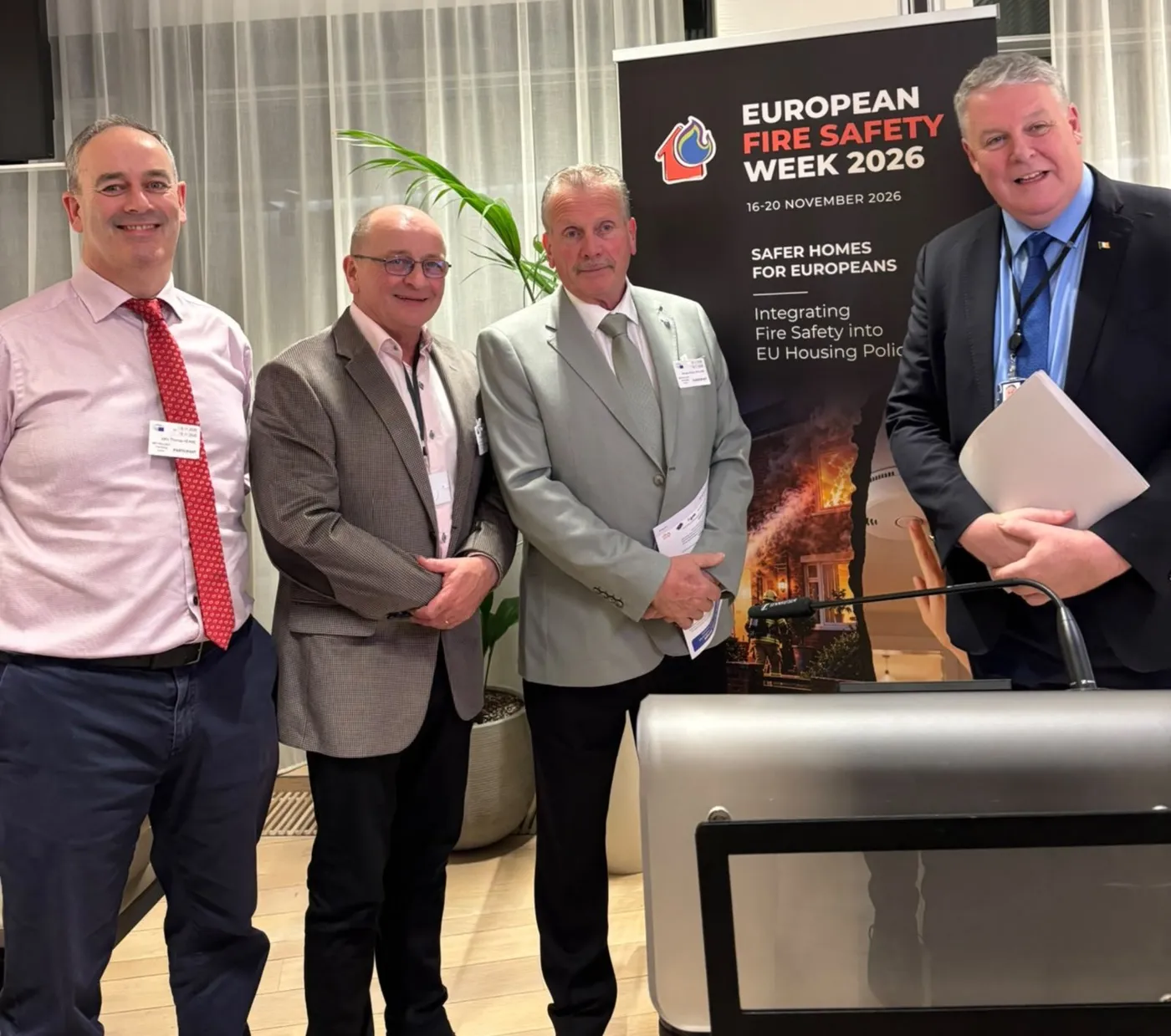 Office of Ciaran Mullooly MEP
Ciaran pays tribute to local firefighters at European Parliament fire safety event
Ciaran welcomed four local firefighters to the European Parliament for “Safer Homes for Europeans: Integrating Fire Safety into EU Housing Policy”, held on 18 November during European Fire Safety Week.
Ciaran: Government should borrow from the European Investment Bank to deal with shameful housing record as homelessness exceeds 18,000
Speaking in the European Parliament’s Special Committee on the Housing Crisis, where he is Vice-Chair, Ciaran challenged the Government over the latest figures: 18,065 people, including 5,897 children, in emergency accommodation.
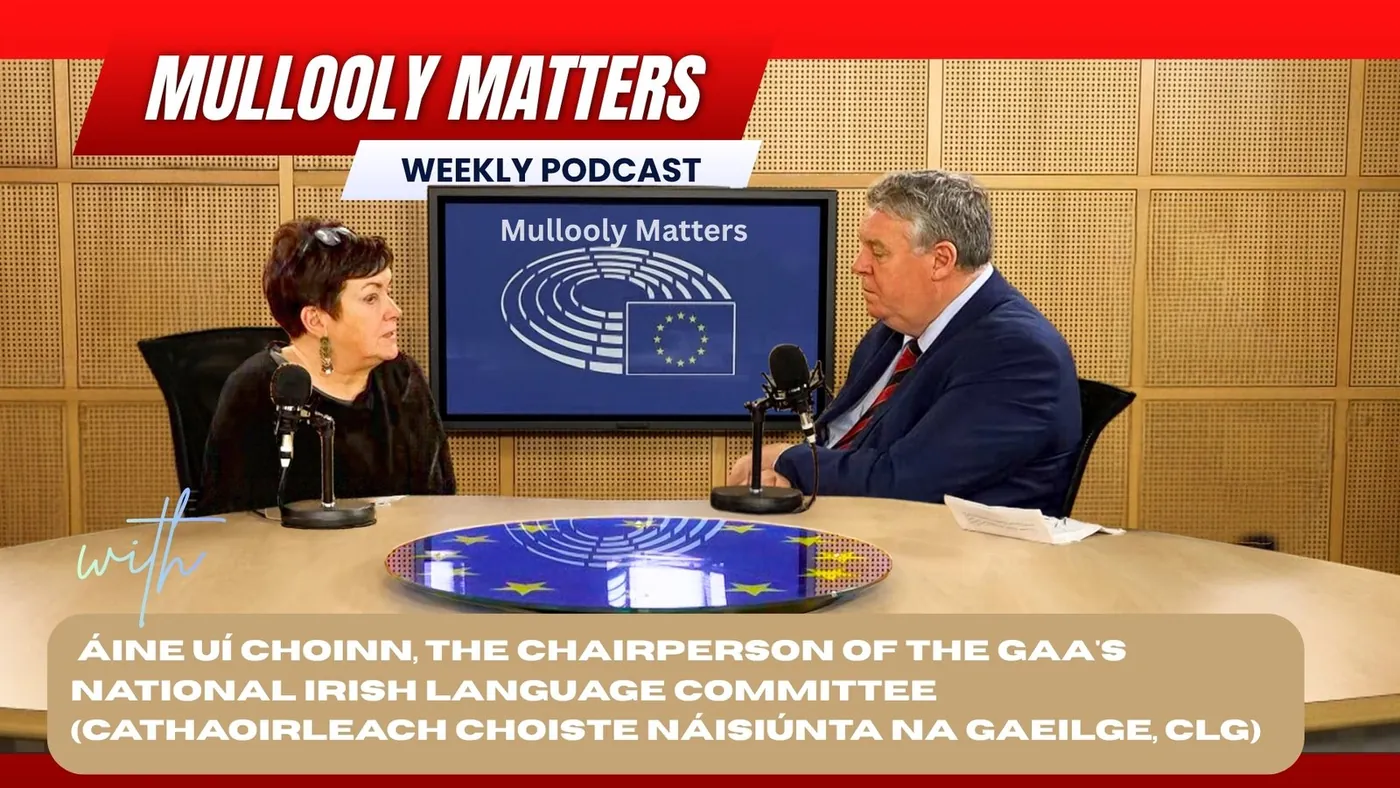 Mullooly Matters
: The Right to Stay – Can Rural Women Build a Future at Home?
Recorded in Brussels during Gender Equality Week, Ciaran talks to Áine Uí Choinn, chairperson of the GAA’s National Irish Language Committee, about what it would take for women and young people to build a life in rural Ireland and stay.