Questions for Bord Bia on EU promotion funding and imported beef
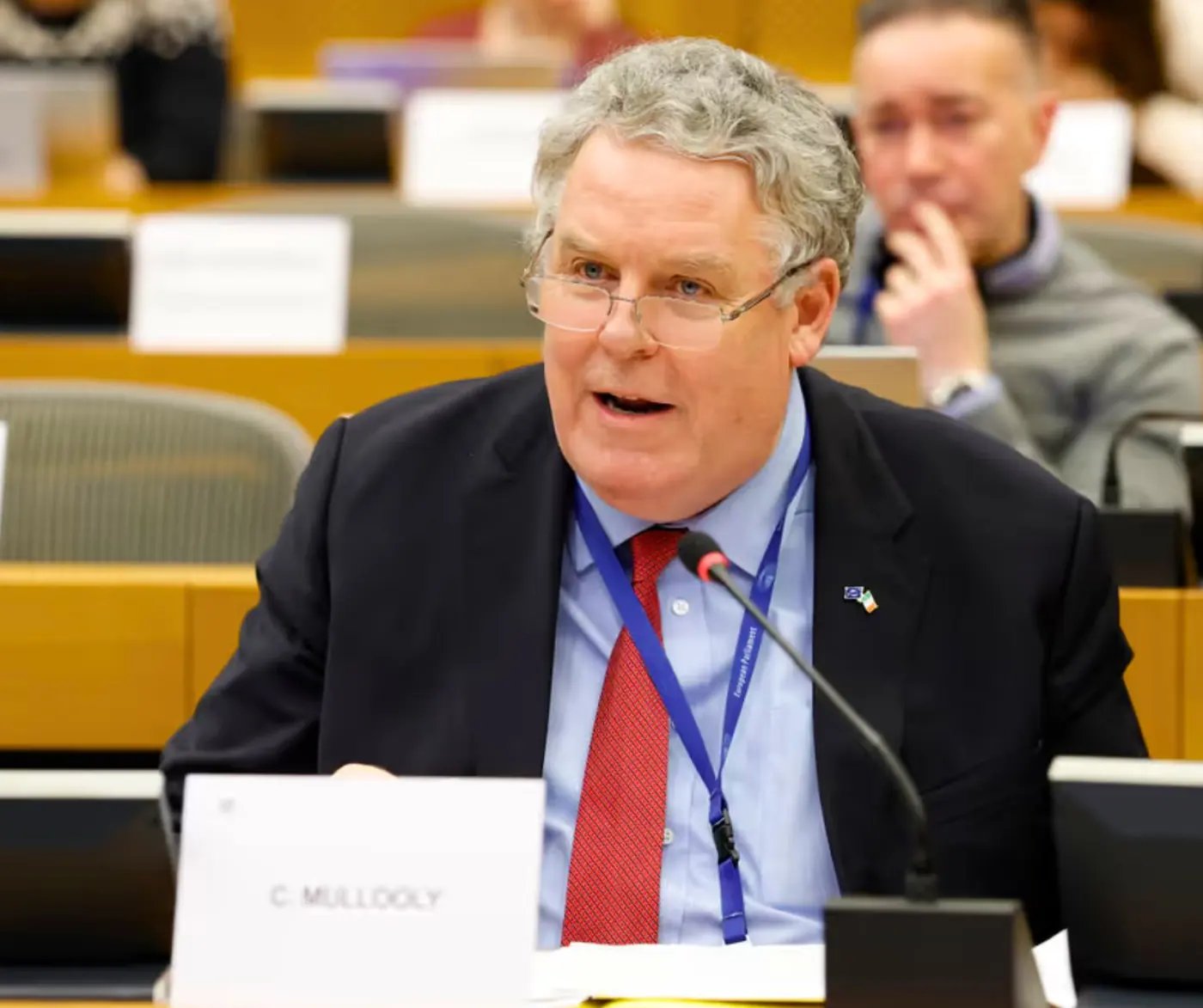
Ciaran asked Bord Bia to confirm that none of its EU promotional funding supports beef imported from outside the EU, which EU rules prohibit.
Ciaran asked Bord Bia to confirm that none of the European promotional funding it receives has been used to support beef imported from outside the European Union. EU rules on agri-food promotion are explicit on the point: money from the Union’s promotion budget may be used to promote European products and European production standards, not produce from third countries.
The question matters because of how the promotion programmes are structured. The European Union runs a dedicated budget each year for promoting agricultural products, split between programmes run by a single member state’s organisations and multi-country programmes, and it co-finances campaigns at a substantial rate. Bord Bia, as Ireland’s food board, is a regular participant, and campaigns of that kind cover beef, dairy, seafood and horticulture across European and international markets. Where a promotional body also has commercial relationships with processors or retailers who handle imported product, the boundary between what the EU money paid for and what it did not has to be demonstrable.
Ciaran has been closely involved in this area of EU law. He is on the revision of the European rules governing agri-food promotion, which means he handles the file on behalf of his political group, negotiating amendments and holding the lead to account as the text moves through committee. The review has focused on questions such as whether promotion money should be available for products that the Union is simultaneously discouraging on health or environmental grounds, and on tightening the conditions attached to spending.
Why it is a live issue for Irish farmers
The context is the argument that has run through Irish farming for two years over imported beef. Irish producers work under European rules on traceability, veterinary medicines, animal welfare and environmental compliance, and they have watched trade agreements open the European market to product from countries where those rules do not apply. Growth promoters prohibited in the European Union are used in beef production in some exporting countries. The objection is not to competition as such but to competition on unequal terms.
Against that background, any suggestion that European promotional money might indirectly benefit non-EU beef is, from a farmer’s point of view, a double injury: the imported product competes with theirs, and the campaign budget funded from a European agricultural programme helps it do so. That is the concern Ciaran put to Bord Bia, and the answer he sought was a straightforward confirmation rather than an inquiry.
Bord Bia is accountable to the Irish Minister for Agriculture, and the European Commission audits promotion programmes and can require repayment where money has been spent outside the rules. Raising the question publicly puts it on the record and invites a public answer; if the assurance is given, the matter rests there, and if it is not, there are formal routes through the Commission to pursue it.
Read moreOcean FM
Source: TheJournal.ie, 21 January 2026. Seat layout is illustrative.
The Commission negotiates trade agreements on behalf of all 27 member states. National governments approve them in the Council, and the European Parliament must give its consent. “Mixed” agreements, which cover areas where member states keep powers, must also be ratified by every national parliament.
For Mercosur, the Commission split the deal into an interim trade agreement and a separate partnership agreement, so the trade part would not need ratification by national parliaments. In January 2026 the Parliament voted 334–324 to ask the Court of Justice whether that approach is lawful.
Related.
 Diliff, CC BY-SA 3.0, Wikimedia Commons
‘UK must ban Brazilian beef next’: Ciaran welcomes the EU–UK food and agriculture agreement
Ciaran welcomed the conclusion of negotiations on a new EU–UK agreement on food, agriculture, animals and plants, due to apply from 1 March 2028, and called for strong food-safety safeguards and no gaps for third-country imports.
 Wikimedia Commons
Ciaran tells ICOS: no change to animal transport rules, and they must take Ireland’s position into account
Ciaran, a full member of the AGRI Committee, met ICOS in the European Parliament for an update on the Commission’s proposed changes to EU animal transport rules. No changes have been agreed by Parliament’s Agriculture or Transport committees.
 Office of Ciaran Mullooly MEP
Commissioner Hansen agrees consumers need clearer food origin information, as Ciaran presses the case
At the Agriculture Committee, Ciaran asked how EU-funded promotion can make European origin clear while keeping Irish origin visible. Commissioner Christophe Hansen said European products “need to be visible” and that the gap Ciaran has raised is real.